← K-Culture
LANGUAGE

K-CULTURE · SOJU

Korean Soju Culture

Discover the table manners, toasts and shared moments that surround soju in Korean dining culture.

K-CULTURE · SOJU

Soju: More than a drink — a Korean table tradition.

Soju is closely connected with sharing food, conversation and togetherness in Korea. At the table, the way people pour, receive and toast can be part of the experience.

소주 SOJU A familiar part of Korean dining culture

K-CULTURE · SOJU

Soju: More than a drink — a Korean table tradition.

Soju is closely connected with sharing food, conversation and togetherness in Korea. At the table, the way people pour, receive and toast can be part of the experience.

01

What is Soju?

Soju is a clear Korean spirit commonly served chilled in small glasses. Styles and strength vary, but it is widely enjoyed alongside food and conversation.

Examples of popular soju bottles These real product photos help show how varied modern soju can look — from classic green bottles to retro labels and fruit flavors.
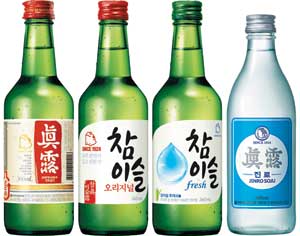
Lineup of JINRO, Chamisul Original, Chamisul Fresh and blue Jinro soju bottles
Classic lineup: Chamisul Original, Chamisul Fresh and other well-known labels.
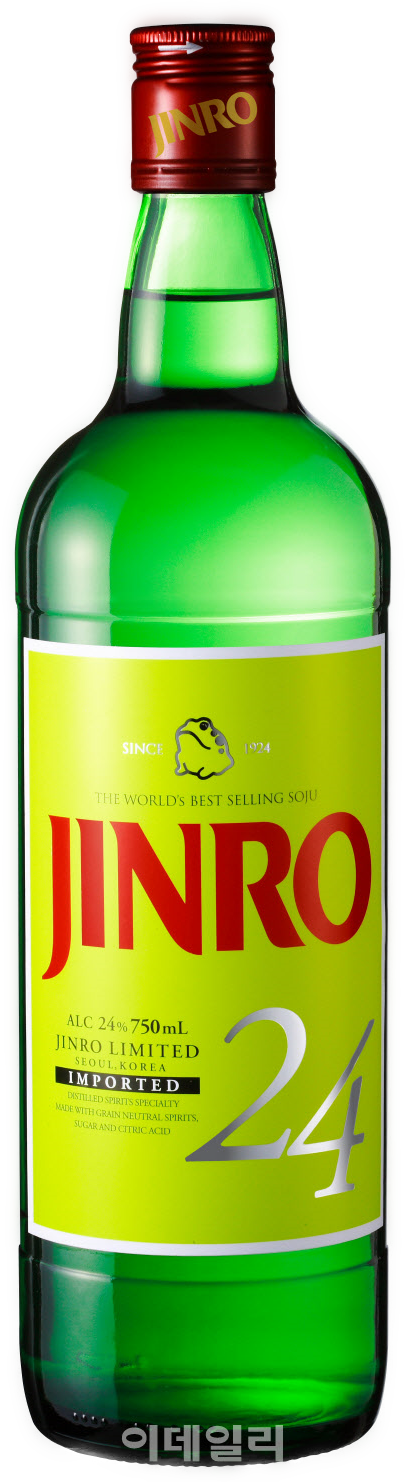
JINRO 24 real product bottle
JINRO 24 — a stronger soju expression with a bold 24% label.
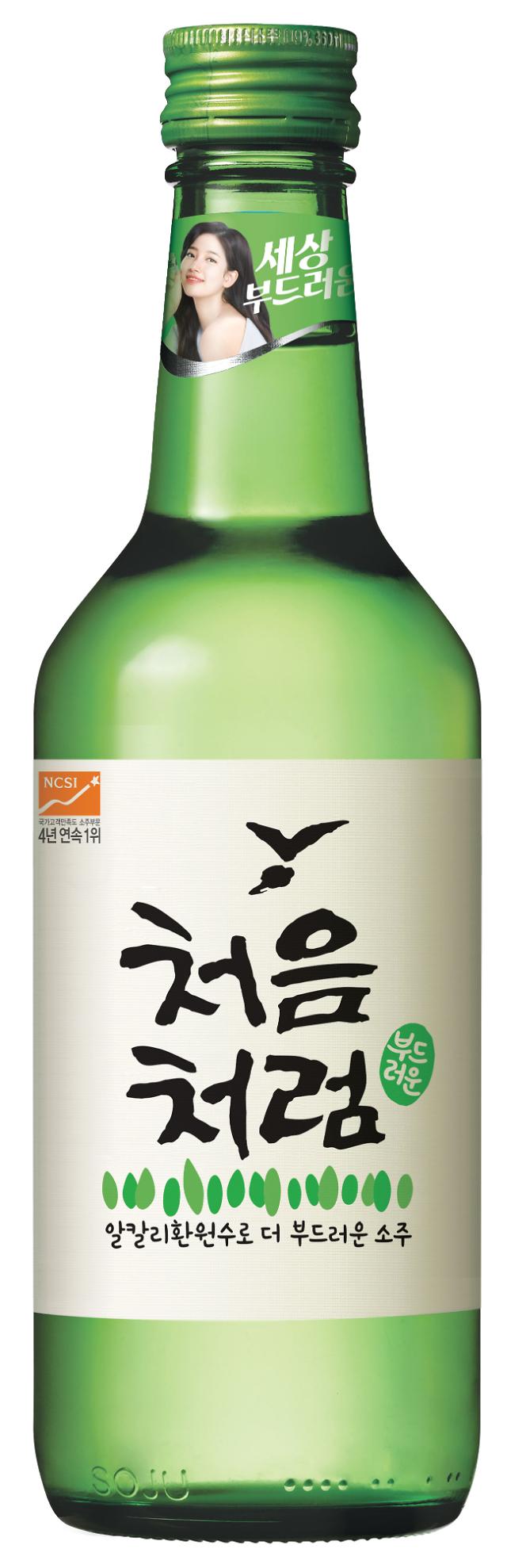
Cheoeum Cheoreom real product bottle photo
Cheoeum Cheoreom — a well-known smooth-style soju recognized by its distinctive green bottle and label.
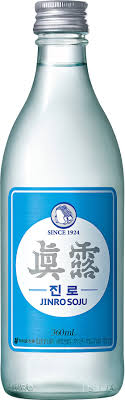
Blue Jinro soju bottle real product photo
Blue-label JINRO SOJU — a distinctive bottle style many guests notice immediately.
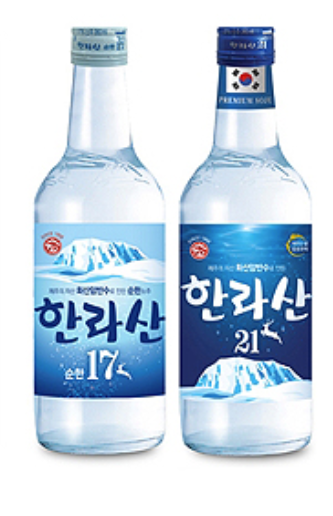
Hallasan 17 and Hallasan 21 real product bottles
Hallasan 17 and Hallasan 21 — representative Jeju soju bottles showing lighter and stronger styles side by side.
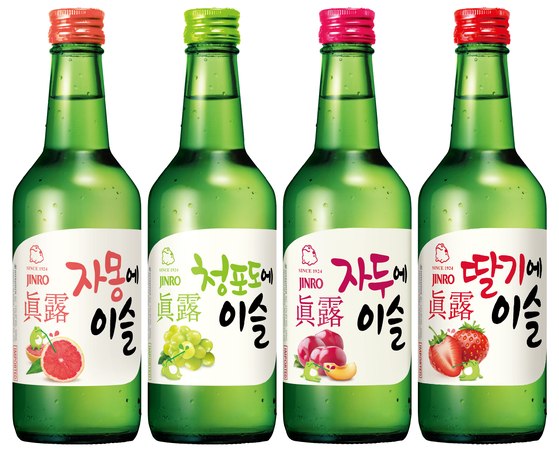
Fruit-flavored Jinro soju bottles including grapefruit, green grape, peach and strawberry
Fruit-flavored soju: grapefruit, green grape, peach and strawberry are among the popular flavors.

Real product photo examples provided for cultural introduction. Bottle design can change by market and release.
02

Pouring & Receiving

In more traditional or formal settings, people often pour for one another rather than only for themselves. Using two hands when pouring or receiving a glass is a familiar sign of respect.

Watch: Korean Drinking Etiquette See how pouring, receiving, and showing respect are practiced at the Korean table.

English captions are requested automatically when playback starts.

03

“Geonbae!” — Cheers!

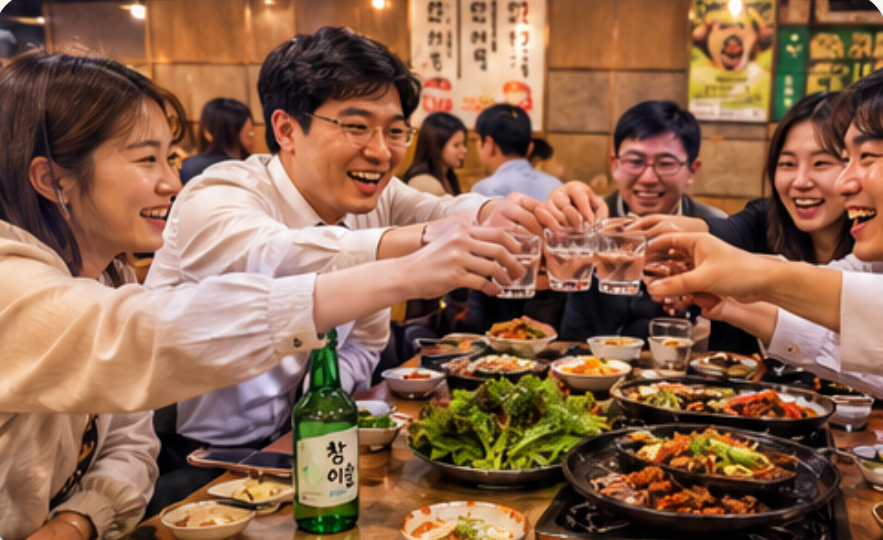
Geonbae (geonbae) means “cheers.” Raising a small glass together is a simple way to mark friendship, celebration or a shared meal.

Friends and coworkers raising soju glasses together during a Korean meal
A cheerful Korean dining scene where everyone raises a small glass together and says, “Geonbae!”
04

Respect at the Table

Some people also turn slightly away when drinking in front of an elder. It is a small gesture that reflects consideration rather than a strict rule for every situation.

Illustration of a younger person turning slightly away while drinking soju in front of an elder
A younger guest turns slightly aside while drinking in front of an elder — a traditional gesture of respect sometimes seen in Korean drinking culture.

A SHORT HISTORY OF SOJU

From distilled tradition to the green bottle — and a new revival.

The story of soju follows changes in Korean history, food supply, industry and taste.

13C

Goryeo-era beginnings

Distillation techniques reached the Korean Peninsula during the Goryeo period. Grain-based distilled soju developed into a strong, aromatic spirit with regional traditions.

1965

Food shortages change soju

During severe grain shortages, the government restricted grain-based distilled liquor. Diluted soju made from highly purified neutral alcohol, water and flavoring became the practical mass-market style.

1970s–90s

The everyday green-bottle era

Diluted soju became deeply tied to restaurants, company dinners and regional brands. Over time, mainstream products generally became lighter in alcohol.

TODAY

Old and new styles together

Today Korea has everything from light, familiar diluted soju and fruit flavors to higher-proof premium and traditional distilled styles.

WHY THE ALCOHOL LEVEL CAN BE SO DIFFERENT

Soju can range from light and fruity to powerful and traditional.

Alcohol levels vary by product and style. These are useful modern reference points, not strict rules.

13%Fruit-flavored examples

Sweet, approachable flavored styles are often lower in alcohol.

16%Modern mainstream examples

A familiar strength for many modern green-bottle sojus.

20.1%Stronger classic examples

Some classic-style products keep a noticeably stronger profile.

24–25%Higher-proof / premium examples

Higher-proof modern expressions can be enjoyed neat or used in cocktails.

≈45%Traditional Andong Soju

Traditional distilled Andong Soju is famous for a much higher strength and concentrated character.

TYPES OF SOJU

“Soju” is not just one taste or one bottle.

The categories can overlap, but these five styles make the modern soju world easier to understand.

희석식

Diluted Soju

Highly purified neutral alcohol is diluted with water and adjusted for a clean, easy-drinking profile. This is the familiar mass-market green-bottle style.

증류식

Distilled Soju

Fermented grain is distilled directly, preserving more aroma and character from the ingredients and production method.

전통·지역

Traditional & Regional Soju

Regional traditions such as Andong Soju represent the older high-proof distilled heritage of Korean liquor.

과일소주

Fruit & Flavored Soju

Grapefruit, green grape, peach, strawberry and other flavors offer a sweeter, lighter introduction to soju.

프리미엄

Premium & Craft-Style Soju

Modern producers are revisiting grain choice, traditional fermentation, distillation and sometimes aging to create more distinctive, higher-end expressions.

GOOD TO KNOW

Somaek (소맥) is not a separate type of soju. It is a popular mixed drink combining soju and beer — another familiar part of modern Korean social drinking culture.

SOJU & KOREAN FOOD

Why Soju and Jokbal or Bossam often share the same table.

The clean, refreshing character of soju is often enjoyed with savory Korean dishes. Jokbal, Bossam, kimchi and spicy side dishes create the kind of shared table where conversation and food keep going together.

한잔할까요? “Shall we have a drink?”