
LANGUAGE

K-FOOD · INGREDIENTS & STORIES

The ingredients, traditions and nutrition behind Korean food.

Explore the foods and ingredients connected to JCDKR’s menu — why Koreans use them, what makes them special, and how they fit into a balanced way of eating.

JCDKR Menu Stories Korean Ingredients Nutrition Explained

FROM OUR MENU TO THE INGREDIENT STORY

Why is this ingredient in the dish?

K-FOOD connects familiar JCDKR dishes with the ingredients, cooking traditions and nutritional characteristics behind them. We’ll explain the food without turning every ingredient into a miracle cure.

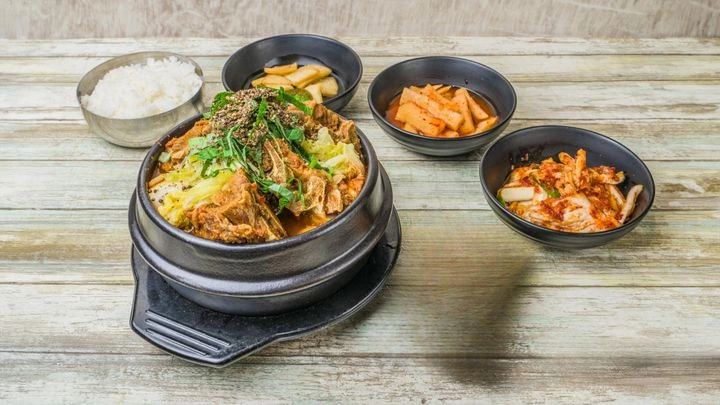
Gamjatang at JCDKR IN GAMJATANG
들깨

INGREDIENT STORY · PERILLA SEED

Why does perilla seed matter in Gamjatang?

Ground perilla seed is used in many Korean soups and stews for its distinctive nutty aroma, richer mouthfeel and unmistakably Korean flavor. In Gamjatang, it helps round out the hearty broth and works naturally with greens, pork and spices.

Nutty aroma Fuller broth texture Plant-based ingredient

Future K-FOOD stories will look more closely at perilla seed’s nutrient profile and how whole seeds differ from perilla oil.

See Gamjatang on the Menu →
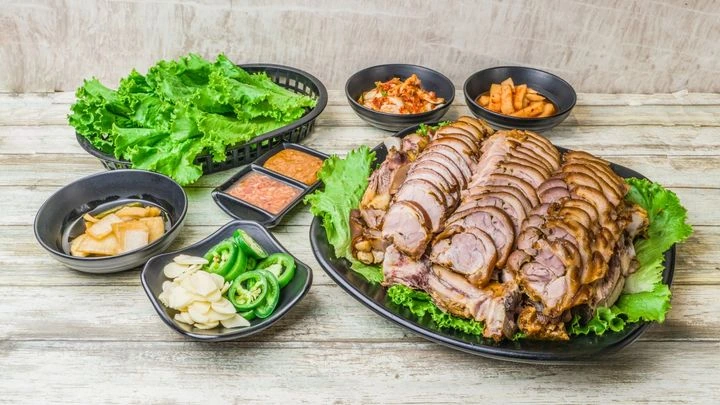
Jokbal at JCDKR JCDKR SIGNATURE
족발

DISH STORY · JOKBAL

What makes Jokbal different from other pork dishes?

Jokbal is made from pork trotters cooked until tender and deeply seasoned. The skin and connective tissues create its characteristic springy, gelatinous texture, while the long cooking process builds the savory flavor people associate with classic Korean Jokbal.

Slow-cooked pork Distinctive texture Made for sharing

A future article will separate Jokbal’s real nutritional characteristics from common health claims, including how portion size, sauce and sodium can change the overall nutrition.

See Jokbal on the Menu →

FERMENTATION STORY · MAKGEOLLI

How Makgeolli Is Made — and What Makes Fresh Makgeolli Different

Go inside the brewing process: grain, nuruk, fermentation, sediment, and the practical difference between fresh unpasteurized and pasteurized Makgeolli.

EXPLORE THE FERMENTATION STORY →

COMING K-FOOD STORIES

More ingredients and dishes we can explore next.

The K-FOOD library will grow around foods people can actually find on the JCDKR table.

우거지Ugeoji

Why dried or softened napa cabbage leaves are so important in hearty Korean soups.

마늘Garlic

Why fresh garlic appears beside Jokbal, Bossam and Ssam — flavor, aroma and food tradition.

새우젓Salted Shrimp

The fermented condiment traditionally served with pork dishes such as Jokbal and Bossam.

김치Kimchi

Fermentation, flavor and the role kimchi plays across the Korean table.

깻잎Perilla Leaf

The fragrant leaf that gives many Korean wraps a flavor all their own.

보쌈Bossam

How boiled pork, lightly salted cabbage and fermented accompaniments come together as one dish.

HOW WE’LL HANDLE HEALTH & NUTRITION

K-FOOD is educational. Nutrition can vary by ingredient, recipe and serving size, and general food information is not medical advice. When we discuss a health-related claim, we’ll distinguish established nutrition facts from tradition or popular belief.